Building a zoo enclosure is a significant investment that extends far beyond steel and fencing. A well-designed enclosure protects animals, keeps staff and visitors safe, supports efficient daily operations, and can remain in service for decades with proper maintenance.
The quality of that investment depends largely on one decision: choosing the right zoo enclosure manufacturer.
Not every metal fabrication company has the expertise required to design and manufacture complex animal containment systems. Zoo enclosures require a combination of engineering knowledge, fabrication precision, animal management considerations, and long-term durability that differs from conventional construction projects.
Planning a new zoological park, expanding a facility, or replacing aging infrastructure — the fabrication partner you choose shapes the result. Here are ten factors to weigh before selecting one.
1. Look for Experience with Zoo and Animal Enclosure Projects
Experience is the first thing to weigh. A shop that turns out structural steel for commercial buildings all day may not grasp what a zoo enclosure actually demands — every project has to account for species-specific behaviour, keeper workflows and safety, maintenance access, and decades of durability. A fabricator who has done zoological work before sees those challenges coming long before anyone starts cutting steel. Ask questions such as:
- Have they completed zoo or wildlife enclosure projects?
- Can they fabricate custom animal containment systems?
- Do they understand species-specific requirements?
The more relevant experience a manufacturer has, the greater the likelihood of a successful project.
2. Engineering Capabilities Are Just as Important as Fabrication
The best manufacturers don't simply build from drawings — they contribute engineering expertise that improves the final product. Look for companies that can collaborate with architects, engineers, consultants, and zoo management teams throughout the project. Strong engineering capabilities help ensure:
- Structural integrity
- Safe load distribution
- Efficient fabrication
- Compliance with project specifications
- Long-term performance
An engineering-first approach often reduces costly design changes later in the project.
3. Evaluate Custom Fabrication Capabilities
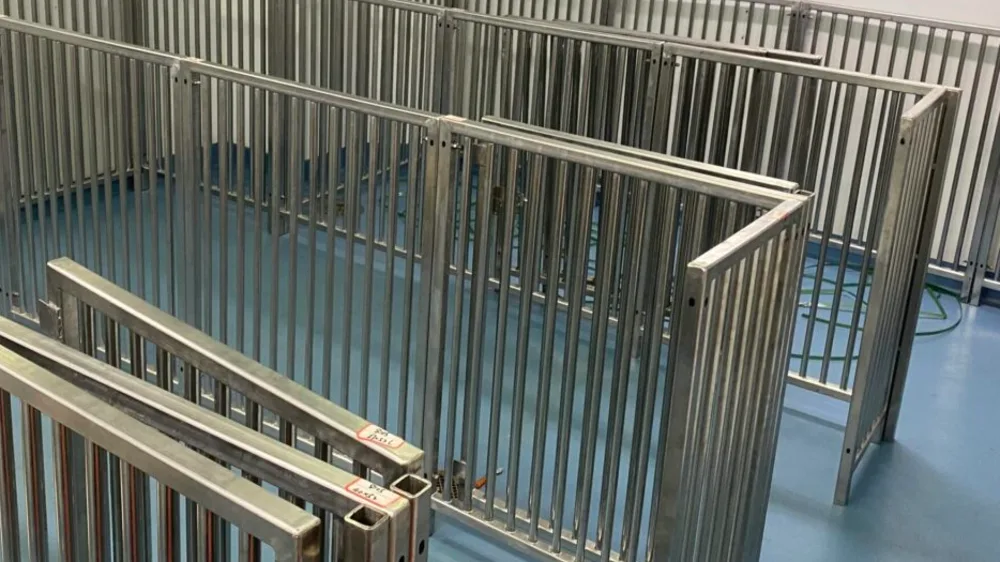
Every zoo is different. Species, exhibit layouts, site conditions, and operational requirements vary from one project to another, making custom fabrication essential. Your manufacturer should be capable of producing:
- Structural steel framing
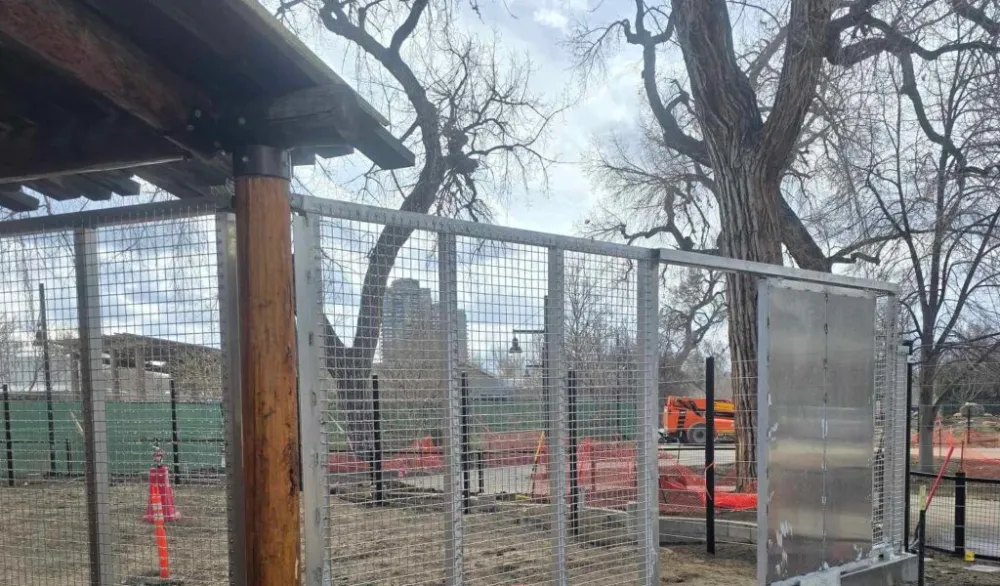
- Zoo mesh systems
- Keeper doors
- Shift gates
- Holding area components
- Squeeze cages
- Elevated platforms
- Access stairs and walkways
- Custom steel assemblies
Avoid companies that rely primarily on standard, off-the-shelf products if your project requires specialized solutions.
4. Assess Material Quality
The performance of an enclosure begins with the quality of its materials. Ask your manufacturer about:
- Structural steel grades
- Stainless steel options
- Aluminium applications
- Corrosion protection systems
- Material certifications
Quality materials contribute to longer service life, lower maintenance costs, and improved structural reliability.
5. Review Welding and Fabrication Standards
Zoo enclosures are subjected to demanding conditions every day. Large animals can generate significant forces against gates, mesh systems, and structural components. Poor fabrication or inconsistent welding can compromise the integrity of the entire enclosure. A professional manufacturer should follow recognized fabrication standards and maintain strict quality control throughout production. Indicators of quality include:
- Qualified welders
- Accurate fabrication tolerances
- Consistent workmanship
- Thorough inspections
- Documented quality assurance processes
6. Consider Long-Term Durability
The initial purchase price tells only part of the story. A lower-cost enclosure that requires frequent repairs or premature replacement often becomes more expensive over its lifetime than a higher-quality system. Evaluate how the manufacturer addresses long-term durability through:
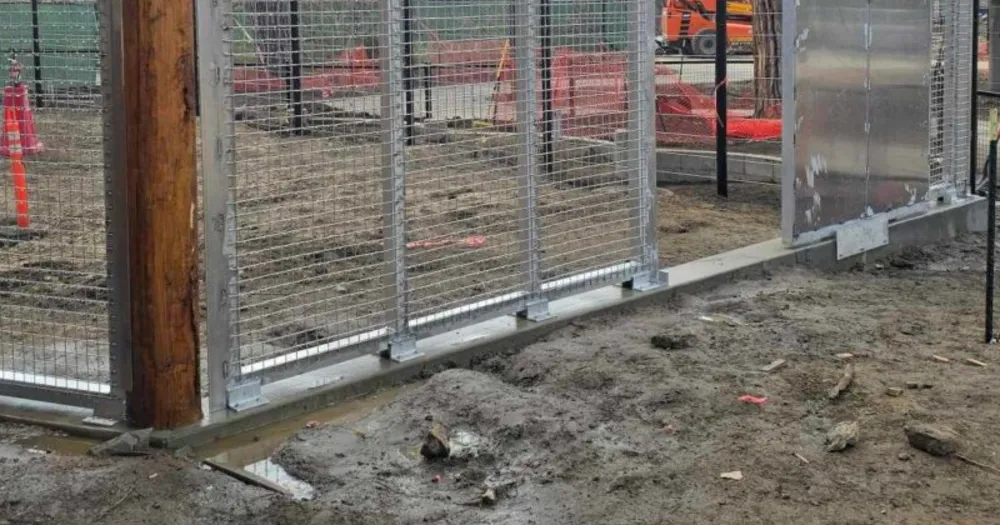
- Hot-dip galvanizing
- Powder coating
- Protective paint systems
- Corrosion-resistant materials
- Heavy-duty construction
A well-fabricated enclosure should provide reliable performance for many years under demanding environmental conditions.
7. Ensure Safety Is Built into Every Design
Safety should never be treated as an optional feature. The manufacturer should understand how enclosure components work together to create safe environments for animals, zoo staff, contractors, and visitors. Look for integrated safety features such as:
- Secure locking mechanisms
- Reinforced keeper doors
- Reliable shift gates
- Protected access systems
- Proper structural support
- Species-appropriate containment
A manufacturer that prioritizes safety during design and fabrication helps reduce operational risks long after construction is complete.
8. Ask About Project Collaboration
Successful enclosure projects involve multiple stakeholders, including architects, engineers, contractors, veterinarians, and zoo management. Choose a manufacturer that communicates effectively and works collaboratively throughout the project. Good communication helps prevent misunderstandings, minimizes delays, and ensures the finished enclosure aligns with the project's goals.
9. Evaluate Manufacturing Capacity
Before awarding a contract, determine whether the manufacturer has the resources to complete the project on time. Questions to ask include:
- Can they handle projects of your size?
- What is their typical production schedule?
- Do they have modern fabrication equipment?
- Can they meet required delivery dates?
Reliable production planning is essential for keeping construction projects on schedule.
10. Choose a Long-Term Partner, Not Just a Supplier
The best manufacturers continue supporting clients long after fabrication is complete. Future habitat expansions, replacement components, maintenance upgrades, and new animal management systems often require ongoing collaboration. Selecting a manufacturer that values long-term relationships can provide lasting benefits throughout the life of your facility.
Questions to Ask Before Choosing a Zoo Enclosure Manufacturer
Before making a final decision, consider asking:
- What experience do you have with zoo or wildlife enclosure projects?
- Do you provide custom fabrication or only standard products?
- What materials do you recommend for our environment?
- How do you ensure fabrication quality?
- What corrosion protection systems do you offer?
- Can you collaborate with our architect or engineering consultant?
- What quality control procedures are followed during production?
- Can you support future enclosure expansions?
The answers to these questions often reveal far more than a quotation alone.
Why the Right Manufacturer Makes All the Difference
A zoo enclosure is expected to perform safely every day for decades. That level of reliability depends on more than quality materials — it requires thoughtful engineering, precision fabrication, and a thorough understanding of animal containment systems.
Choosing an experienced manufacturing partner reduces project risk, improves construction quality, and helps create habitats that support animal welfare, operational efficiency, and long-term value.
Frequently Asked Questions
What should I look for in a zoo enclosure manufacturer?
Look for proven experience with custom animal enclosures, in-house engineering and fabrication, quality welding, and a collaborative approach. Specialized zoo work is very different from general steel fabrication, so relevant project experience matters.
What questions should I ask a zoo enclosure fabricator?
Ask about species-specific experience, engineering capability, welding and quality-control processes, corrosion protection options, and how they coordinate with contractors during installation. The answers reveal far more than a price quote alone.
Does in-house fabrication matter?
Yes. A manufacturer that engineers and fabricates in-house controls quality, timelines, and detailing directly rather than subcontracting critical work. That control is a major advantage on complex, safety-critical enclosures.
Should I choose a local zoo enclosure manufacturer?
Location can simplify site visits, coordination, and delivery, but experience and fabrication quality matter more than distance. Many enclosures are shop-fabricated and shipped, so the right partner may not be the nearest one.
Why does the choice of manufacturer matter so much?
A zoo enclosure has to perform safely every day for decades. The manufacturer's engineering, fabrication quality, and understanding of animal containment directly affect safety, maintenance cost, and how long the structure lasts.