Material selection is one of the most important decisions in the design and fabrication of a zoo enclosure. The right combination of materials shapes structural integrity, animal safety, operational efficiency, maintenance requirements, and the overall lifespan of the facility.
Modern zoo enclosures are rarely built from a single material. They combine metals, polymers, and protective finishes chosen for the specific demands of the enclosure, the species being housed, the surrounding environment, and the facility's long-term operational goals.
For a new exhibit, an expansion, or an upgrade to aging infrastructure, understanding the characteristics of commonly used materials helps ensure every component is fit for purpose.
Material Selection Starts with the Application
There is no universal material that suits every enclosure. A primate habitat has different requirements than a big cat exhibit; a coastal wildlife park faces different environmental challenges than an inland zoological garden. Veterinary holding areas, transport cages, keeper doors, and structural framing each do a different job, and each may call for a different material to strike the right balance of strength, durability, corrosion resistance, hygiene, and cost.
Before selecting materials, project teams should evaluate:
- Animal species and behavior
- Structural loading requirements
- Environmental exposure
- Corrosion risk
- Cleaning and maintenance practices
- Expected service life
- Fabrication requirements
- Budget and lifecycle cost
- Future modifications or expansion
The most effective material selection weighs the complete operating environment, not just the initial cost.
Carbon Steel
Carbon steel remains one of the most widely used materials in zoo enclosure fabrication because it combines strength, versatility, and cost-effectiveness. It is commonly specified for:
- Structural steel framing
- Shift gates
- Keeper doors
- Holding areas
- Transport cages
- Transfer chutes
- Support structures
- Platforms and walkways
Advantages
- High structural strength
- Excellent weldability
- Efficient fabrication
- Cost-effective for large projects
- Readily available in a wide range of structural sections
Considerations
Because carbon steel is prone to corrosion, it is almost always protected — with hot-dip galvanizing, powder coating, an industrial paint system, or a combination of finishes chosen for the operating environment.
Stainless Steel
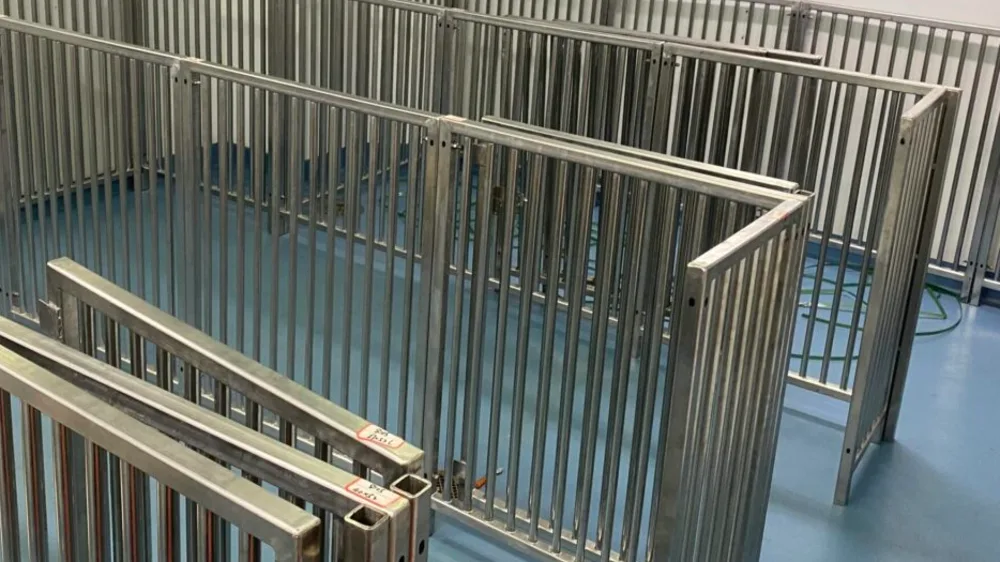
Stainless steel is the choice where corrosion resistance, hygiene, and long-term durability come first. The two grades specified most often for fabricated products are 304 and 316.
Stainless Steel 304
Suitable for many indoor and outdoor applications, Type 304 offers excellent corrosion resistance while keeping good strength and fabrication characteristics. Typical applications include:
- Keeper-access hardware
- Veterinary fixtures
- Feeding systems
- Gates and fittings
- Equipment exposed to frequent cleaning
Stainless Steel 316
Type 316 adds molybdenum for enhanced corrosion resistance, which makes it particularly well suited to aggressive environments. Common applications include:
- Coastal zoological facilities
- Marine exhibits
- High-humidity environments
- Areas exposed to chlorides or harsh cleaning agents
Stainless steel carries a higher initial cost than carbon steel, but its durability and low maintenance often make it the more economical choice over the life of the enclosure.
Aluminium
Aluminium earns its place through light weight and natural corrosion resistance, and it's often used where reducing structural weight or simplifying installation matters. Typical applications include:
- Aviary framing
- Lightweight access systems
- Equipment housings
- Service panels
- Architectural features
It performs well in many settings, but it isn't always the right answer for components that take significant impact or heavy structural loads — the choice should always follow the engineering requirements.
HDPE (High-Density Polyethylene)
Not every enclosure component is metal. HDPE is widely used in zoological facilities because it is durable, moisture-resistant, chemically resistant, and easy to clean. Common applications include:
- Protective wall liners
- Feeding stations
- Enrichment equipment
- Veterinary work surfaces
- Splash guards
- Wear panels
Its resistance to moisture and corrosion makes it an effective material for selected non-structural applications.
Protective Finishes Extend Service Life
Choosing the right base material is only half the equation — surface protection matters just as much for long-term performance.
Hot-Dip Galvanizing
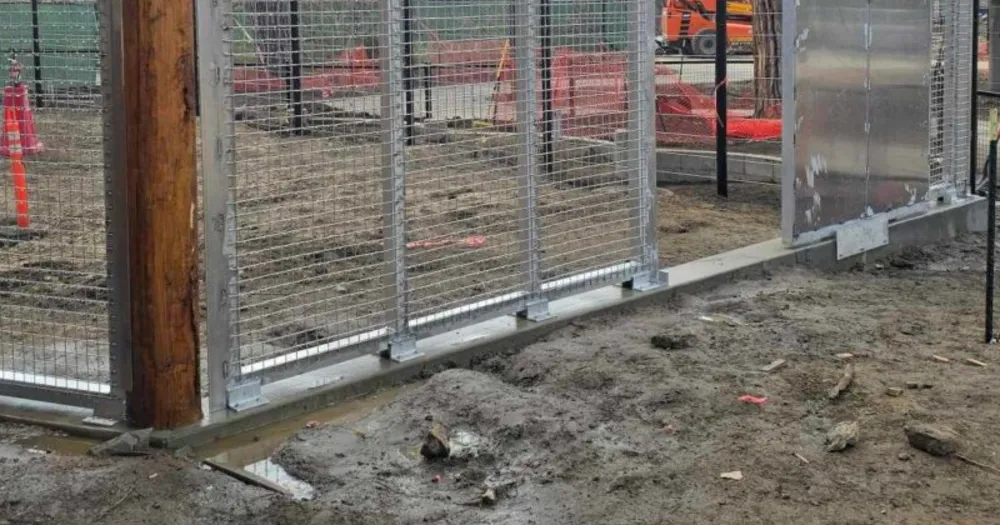
Hot-dip galvanizing protects carbon steel with a durable zinc coating that resists corrosion in outdoor environments.
Powder Coating
Powder coating adds an attractive, durable finish and another layer of defence against weather, abrasion, and routine wear.
Duplex Coating Systems
For projects that demand maximum durability, hot-dip galvanizing can be paired with powder coating for enhanced corrosion resistance and an extended service life.
The most appropriate finish depends on environmental conditions, maintenance expectations, and project requirements.
Material Selection Is About Performance, Not Preference
Successful zoo projects rarely lean on a single material. Engineers and fabricators pick materials by the specific job each component does: structural framing might use galvanized carbon steel for strength and economy, veterinary fixtures benefit from stainless steel, lightweight structures may use aluminium, and enrichment or protective elements might incorporate HDPE.
Choosing materials by performance requirement — rather than habit — results in facilities that are safer, easier to maintain, and better suited to years of hard use.
Working with an Experienced Fabrication Partner
Material selection should sit alongside engineering, fabrication method, and operational requirements — not be settled in isolation. An experienced fabrication partner can recommend the right materials, protective finishes, and manufacturing processes for the intended application, helping ensure each component performs reliably throughout its service life. If you're planning a new enclosure or upgrading an existing facility, the right partner will match those choices to your enclosure system as a whole.
Frequently Asked Questions
Which metal lasts longest in an outdoor zoo enclosure?
Stainless steel offers the longest service life in wet or humid conditions, while hot-dip galvanized steel gives excellent corrosion protection at lower cost for general outdoor framing. The best choice balances the environment, the species, and the maintenance budget.
Is galvanized or stainless steel better for animal enclosures?
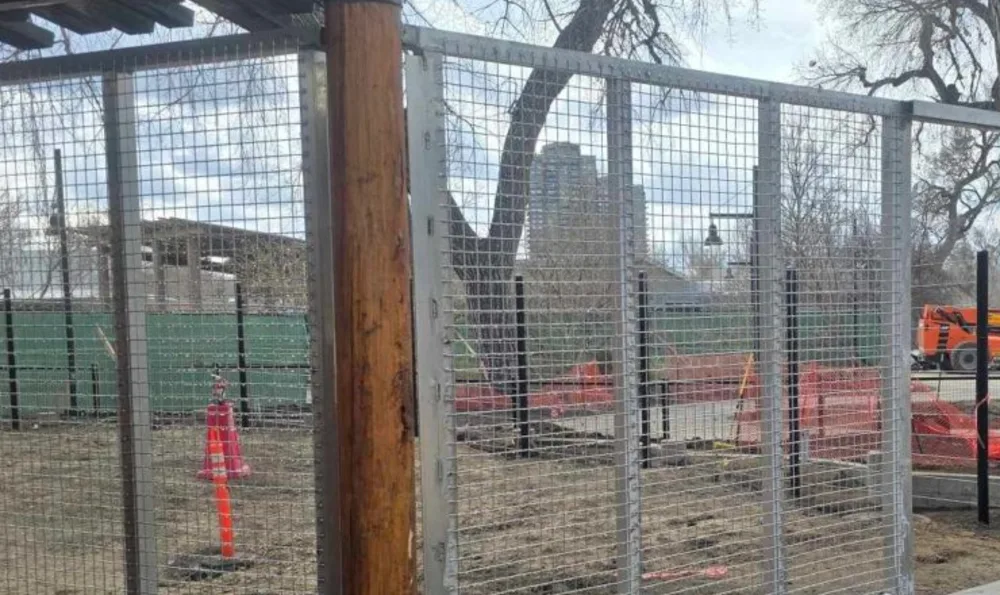
Galvanized steel is the economical workhorse for structural framing and mesh in most climates. Stainless is chosen where moisture, hygiene, or cleaning chemicals are constant, such as holding pens and veterinary areas. Many enclosures use both.
Does the mesh material matter as much as the frame?
Yes. Mesh faces direct contact with animals — chewing, climbing, and pulling — so wire diameter, opening size, and coating are as critical as the structural frame. A strong frame with under-spec mesh is still a weak enclosure.
When is aluminium used instead of steel?
Aluminium suits lightweight structures where weight matters, such as aviary framing, and it resists corrosion naturally. It requires skilled TIG welding, so it is specified where its benefits justify the fabrication approach.
How does climate affect material choice?
Humid, coastal, or wash-down-heavy environments push selection toward stainless steel or heavier galvanizing, while drier climates allow more economical options. Corrosion exposure is one of the biggest drivers of long-term maintenance cost.