Quick Answer
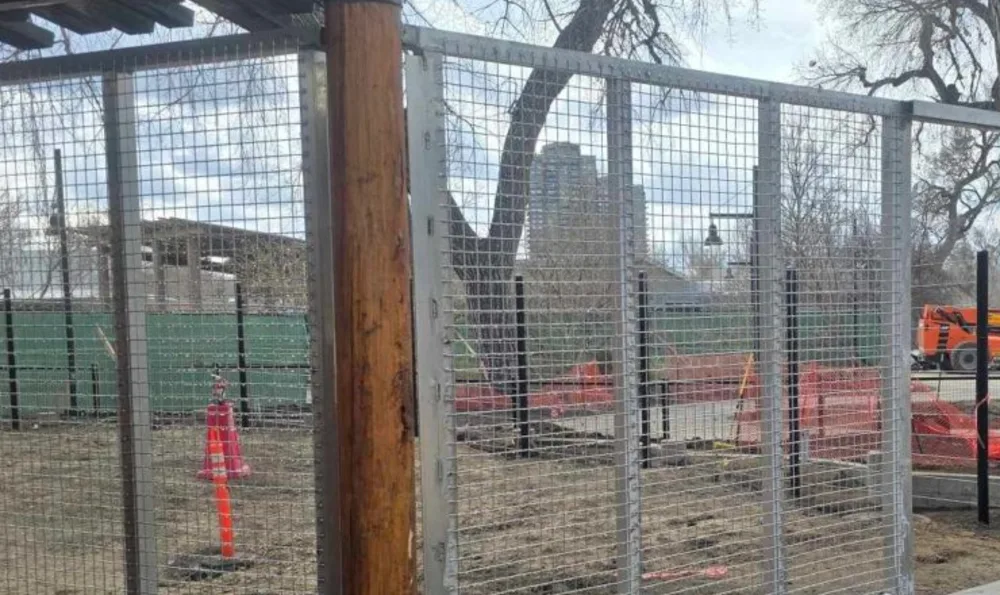
A zoo mesh system is a professionally engineered barrier made from heavy-duty steel mesh that safely contains animals while providing excellent visibility, ventilation, and long-term durability. Modern mesh systems are custom-designed according to each species' strength, behavior, and enclosure requirements, making them an essential component of safe, welfare-focused zoo enclosure design.
Introduction
Modern zoological facilities are designed to balance three equally important priorities: animal welfare, keeper safety, and an engaging visitor experience. While visitors often notice the animals and exhibit landscaping, one of the most critical components of any enclosure is the barrier system that safely separates animals from people while allowing clear visibility into the habitat.
Among the most widely used of those solutions are zoo mesh systems. A professionally engineered mesh barrier contains animals securely without the visual wall a solid barrier throws up — animals stay visible to visitors, air moves freely through the enclosure, and keepers keep clear sightlines for daily observation and husbandry. A well-engineered mesh barrier does exactly that: a rigid, see-through wall that holds an animal securely while letting the public watch it up close.
Beyond simple containment, modern mesh systems are designed to support the daily operation of the enclosure. They integrate with keeper doors, shift gates, holding areas, and squeeze cages, allowing animals to move safely through different parts of the facility while maintaining protected contact between animals and staff.
The effectiveness of a mesh system depends on far more than selecting a strong material. Animal behavior, enclosure layout, species-specific requirements, environmental exposure, and long-term maintenance all influence how a mesh barrier should be engineered. Research on enclosure design consistently demonstrates that thoughtfully designed containment systems contribute to both operational efficiency and positive animal welfare outcomes.
What Is a Zoo Mesh System?
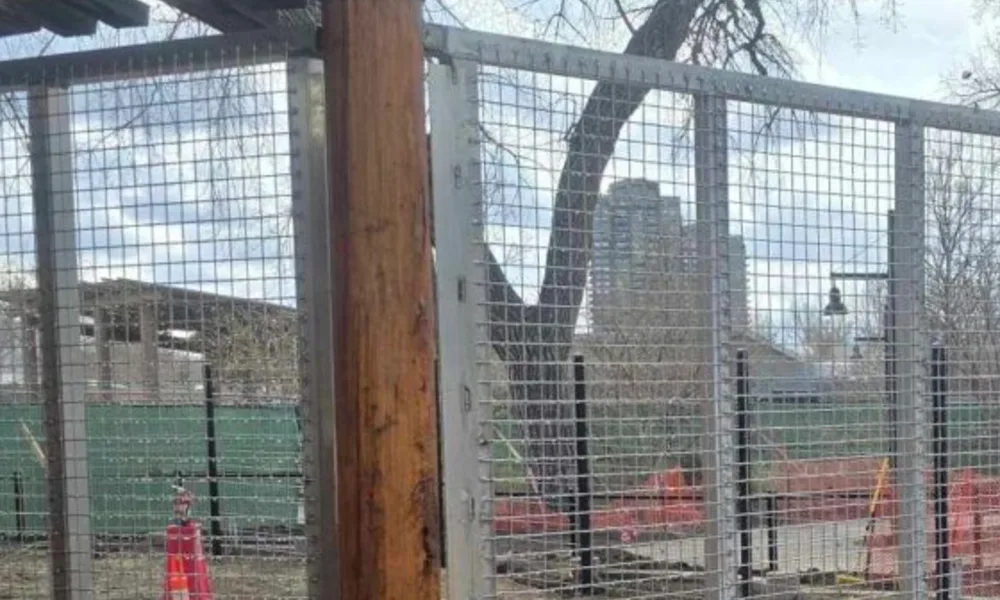
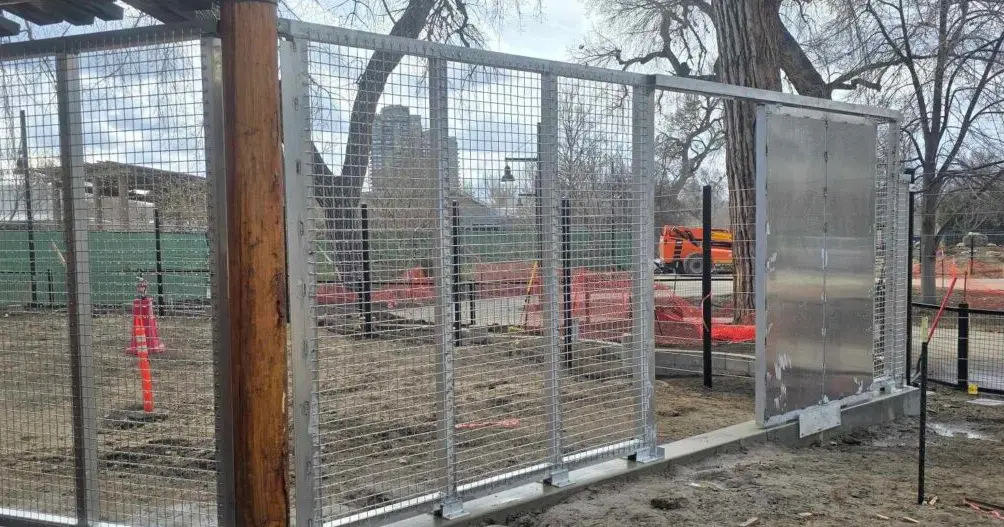
A zoo mesh system is a structural containment barrier made from heavy-duty steel mesh panels supported by engineered steel framing. Unlike standard fencing used in residential or agricultural settings, zoo mesh systems are specifically designed to safely contain animals that may possess significant strength, climbing ability, intelligence, or curiosity.
The mesh itself forms only one part of a larger enclosure system. It works together with structural steel frames, support posts, foundations, locking mechanisms, and animal management equipment to create a secure environment that protects both animals and people. Depending on the species and exhibit design, mesh systems may be used for:
- Primary enclosure walls
- Animal holding areas
- Shift races and transfer corridors
- Keeper safety barriers
- Outdoor habitats
- Indoor animal housing
- Aviaries
- Primate exhibits
- Carnivore enclosures
Each installation is custom engineered to meet the physical and behavioral characteristics of the species it is intended to contain.
Why Zoo Mesh Systems Are Preferred Over Traditional Barriers
Zoos increasingly favour engineered mesh because it does things a solid wall or conventional fencing simply can't. The biggest is visibility: visitors get an unobstructed view, and keepers can read behaviour, monitor health, and confirm an animal has moved safely between sections of the enclosure. Mesh also lets in ventilation and daylight, opening the space up for both the animals and the people watching them. From an operational standpoint, a professionally fabricated mesh system brings a few more advantages:
- High structural strength
- Excellent visibility for animal monitoring
- Improved airflow throughout the enclosure
- Flexible integration with gates and access systems
- Long service life when properly protected against corrosion
- Adaptability to a wide variety of enclosure layouts
Because these systems combine safety with functionality, they have become a standard component of modern zoo enclosure design.
Zoo Mesh as Part of a Complete Enclosure System
A mesh barrier is never designed in isolation. Instead, it forms part of an integrated enclosure system that includes structural steel framing, keeper doors, shift gates, holding areas, transfer corridors, squeeze cages, and environmental enrichment features.
For example, a large carnivore enclosure may use reinforced welded mesh for the exhibit perimeter while incorporating mesh-lined shift races that allow animals to move safely between the public habitat, holding areas, and veterinary facilities. Throughout this process, keepers can maintain visual contact with the animal while remaining protected by secure barriers.
This integrated approach supports efficient daily operations, safer animal management, and enclosure designs that accommodate the needs of both animals and zoo professionals. By combining durable materials with species-specific engineering, zoo mesh systems become a fundamental element of modern zoological infrastructure.
Why Zoo Mesh Systems Are Essential in Modern Zoos
The move toward engineered mesh systems reflects a broader shift in how zoos balance containment, welfare, and the visitor experience. A well-designed mesh barrier does far more than hold an animal securely — it shapes how staff work, how animals experience their habitat, and how the public connects with wildlife.
Because a mesh system touches every part of daily operation, its design has a direct effect on safety and efficiency across the whole facility. The sections that follow look at the main types of mesh systems, how they are engineered and fabricated, and how to choose a partner capable of building them to the standards a zoo requires.
Types of Zoo Mesh Systems and How to Choose the Right One
Not all zoo mesh systems are the same. Every enclosure brings its own challenges — the species being housed, what that animal is physically capable of, the environment, and how the zoo actually operates. Mesh for a primate exhibit calls for very different engineering than mesh built for large carnivores or hoofstock.
Selecting the appropriate mesh system involves balancing containment strength, visibility, durability, maintenance, and animal welfare. By matching the mesh design to the specific species and enclosure requirements, zoos can create safer habitats while supporting efficient daily operations.
Welded Wire Mesh Systems
One of the most widely used solutions in modern zoological facilities is welded wire mesh. Unlike woven or chain-link fencing, it's made by permanently welding intersecting steel wires into rigid panels with consistent openings and real structural stability — construction that resists deformation and holds up in demanding applications where long-term strength matters. Welded wire mesh brings several advantages to a zoo enclosure:
- High structural strength
- Excellent visibility for visitors and keepers
- Consistent mesh openings
- Long service life
- Compatibility with custom steel framing
- Low maintenance requirements
Because of its versatility, welded wire mesh is commonly used for perimeter enclosures, holding areas, shift races, keeper safety barriers, and indoor animal housing.
Heavy-Duty Mesh for Large and Powerful Animals
Lions, tigers, bears, elephants, rhinos, and other large mammals need containment that can take real physical force. These animals lean on barriers, claw at mesh, bite structural components, and push against the enclosure as a matter of routine — so their exhibits typically call for heavier-gauge wire, reinforced framing, and robust supports engineered to hold their integrity for years.
Rather than relying solely on thicker mesh, engineers evaluate the complete barrier system — including frame design, support spacing, connection details, and foundations — to ensure the enclosure performs safely under expected loading conditions.
Mesh Systems for Primates and Climbing Species
Primates pose a different engineering problem. Rather than hitting a barrier with force, they spend hours climbing, hanging, and working at the structure with their hands — so mesh for a primate exhibit has to take constant climbing while staying durable and keeper-safe. Design considerations often include:
- Appropriate mesh spacing
- Smooth welded joints
- Reinforced attachment points
- Secure perimeter connections
- Comfortable climbing surfaces where appropriate
Because primates are highly intelligent and dexterous, enclosure hardware such as locks, gates, and access panels must also be carefully designed to prevent unintended manipulation.
Aviary and Small Animal Mesh Systems
Birds, reptiles, and smaller mammals generally require different mesh specifications than large terrestrial animals. For these species, the focus often shifts toward preventing escape while maintaining visibility, ventilation, and environmental exposure.
Mesh openings must be selected carefully to prevent animals from passing through or becoming trapped, while still allowing adequate airflow and natural light into the habitat. Depending on the exhibit, lightweight welded mesh or stainless steel mesh may be used to achieve the desired balance between strength and functionality.
Choosing the Right Mesh Size
Selecting the correct mesh opening is just as important as choosing the material itself. Mesh that is too large may compromise containment, while excessively small openings can reduce visibility, restrict airflow, and increase material costs without providing additional benefits. Engineers evaluate several factors when determining the appropriate mesh specification, including:
- Animal size
- Head and limb dimensions
- Climbing ability
- Bite force
- Reach distance
- Behavioral characteristics
- Veterinary and husbandry requirements
The objective is to create a barrier that safely contains the animal while supporting natural movement and providing clear visibility for keepers and visitors.
Visibility, Ventilation, and Animal Welfare
One of the greatest advantages of professionally engineered mesh systems is their ability to create open, well-ventilated environments without sacrificing security.
Unlike solid walls, mesh barriers allow natural airflow and unobstructed sightlines throughout the enclosure. This enables zoo staff to monitor animal behavior more effectively and provides visitors with clearer views of the animals in their habitats. From the animals' perspective, open visibility can also support more dynamic environments when incorporated into thoughtfully designed exhibits. Research in enclosure design highlights the importance of creating habitats that encourage natural behaviors while maintaining high standards of safety and welfare.
When combined with enrichment features, appropriate landscaping, and species-specific enclosure planning, mesh systems contribute to habitats that are functional, durable, and supportive of modern zoological management practices.
Mesh Systems as Part of an Integrated Zoo Enclosure
A mesh barrier is only one component of a complete zoo enclosure. To function effectively, it must integrate seamlessly with:
- Keeper doors
- Shift gates
- Holding areas
- Squeeze cages
- Transfer corridors
- Structural steel framing
- Environmental enrichment equipment
Designing these components as a unified system allows animals to move safely throughout the facility while enabling keepers to carry out husbandry, maintenance, and veterinary procedures under protected contact conditions. This coordinated approach not only improves operational efficiency but also strengthens the overall safety and reliability of the enclosure.
Engineering and Fabrication of Zoo Mesh Systems
The performance of a zoo mesh system depends on much more than the mesh itself. A reliable enclosure is the result of careful engineering, quality materials, precision fabrication, and proper installation. Every component — from the mesh panels to the supporting steel framework — must work together to provide long-term safety for animals, zoo professionals, and visitors.
Because zoo enclosures operate continuously under demanding conditions, mesh systems must be engineered to withstand environmental exposure, daily operational use, and the unique physical characteristics of the animals they contain. Rather than relying on standardized fencing products, modern zoological facilities often invest in custom-fabricated mesh systems designed specifically for each enclosure and species.
Selecting the Right Materials
Material selection is one of the most important factors affecting the safety, durability, and service life of a zoo mesh system. The materials used must withstand years of exposure to weather, moisture, cleaning chemicals, ultraviolet radiation, and repeated interaction with animals while maintaining their structural integrity and appearance.
Structural Steel Framework
While the mesh provides containment, the structural steel framework carries the loads that keep the entire barrier system stable. Steel columns, beams, frames, and support members are engineered to resist:
- Animal impact forces
- Wind loads
- Environmental stresses
- Daily operational loads
- Long-term structural fatigue
A properly designed steel framework also ensures that mesh panels remain correctly tensioned and aligned, preventing deformation that could compromise enclosure safety. Professional fabrication allows structural members to be customized for complex exhibit layouts while integrating seamlessly with keeper doors, shift gates, and other enclosure components.
Heavy-Duty Welded Mesh
For many zoo applications, welded wire mesh offers an excellent combination of strength, visibility, and durability. The welding process permanently joins intersecting wires into rigid panels that maintain consistent openings even under repeated loading. Compared with conventional fencing, welded mesh provides greater structural stability while allowing excellent visibility into the enclosure.
The specification of the mesh — including wire diameter, opening size, and panel dimensions — is selected according to the species being housed and the expected loading conditions. Properly engineered welded mesh helps maintain secure containment while minimizing maintenance throughout its service life.
Corrosion Protection
Zoo enclosures operate outdoors in environments that expose steel components to rain, humidity, temperature fluctuations, cleaning agents, and animal waste. Without appropriate corrosion protection, steel can deteriorate over time, affecting both appearance and structural performance. Depending on the project requirements, fabrication may include protective systems such as:
- Hot-dip galvanizing
- Powder coating
- Zinc-rich primers
- Industrial protective coating systems
Selecting the appropriate corrosion protection strategy helps extend the lifespan of the enclosure while reducing maintenance costs over time.
Engineering for Species-Specific Performance
Every species places different demands on a mesh system. Successful engineering begins with understanding how animals naturally interact with enclosure barriers.
Large carnivores may apply significant force through clawing, biting, or leaning against the mesh. Primates frequently climb and manipulate barriers using their hands and feet. Bears often investigate enclosure components by pushing, pulling, or scratching them, while hoofstock generally create different loading patterns through occasional impact or leaning behavior. Because of these differences, engineers evaluate several factors before selecting a mesh system, including:
- Animal size and body weight
- Strength and impact forces
- Climbing ability
- Bite force
- Reach distance
- Behavioral characteristics
- Daily husbandry procedures
- Long-term operational requirements
Designing around these factors helps ensure that every enclosure provides reliable containment while supporting safe animal management.
Precision Fabrication and Quality Control
Even the best engineering design depends on accurate manufacturing. Precision fabrication ensures that mesh panels fit correctly within their supporting frames, structural components remain aligned, and welded connections maintain their intended strength. Careful manufacturing also contributes to consistent installation, smoother gate operation, and easier long-term maintenance.
Quality control plays an equally important role throughout the fabrication process. Professional manufacturers typically inspect:
- Weld quality
- Dimensional accuracy
- Structural alignment
- Surface preparation
- Protective coatings
- Hardware installation
- Overall workmanship
Thorough inspection before installation helps identify potential issues early and contributes to the long-term reliability of the completed enclosure.
Designing for Maintenance and Longevity
A professionally engineered zoo mesh system should continue performing reliably for decades with appropriate maintenance. Routine inspections allow zoo staff to identify wear, corrosion, loose hardware, or accidental damage before these issues affect enclosure performance. To simplify maintenance, modern mesh systems are often designed with:
- Accessible connection points
- Replaceable mesh panels
- Serviceable hardware
- Corrosion-resistant finishes
- Durable welded construction
These features reduce downtime while helping zoological facilities maintain high standards of safety and operational efficiency.
Why Custom Fabrication Delivers Better Results
No two zoo exhibits are exactly alike. Differences in species, enclosure dimensions, terrain, climate, visitor viewing areas, and husbandry procedures mean that each project presents unique engineering challenges. Custom fabrication allows every zoo mesh system to be designed specifically for:
- Individual animal species
- Structural loading requirements
- Exhibit layout
- Operational workflow
- Visitor viewing objectives
- Integration with enclosure components
- Future expansion or modification
Rather than adapting generic fencing systems, custom-engineered mesh solutions provide the strength, flexibility, and long-term performance required for modern zoological facilities.
Choosing the Right Zoo Mesh System Fabrication Partner
Selecting the right zoo mesh system is about more than choosing a strong material. The success of an enclosure depends on how well the mesh integrates with the overall habitat, supports daily zoo operations, and withstands years of demanding use. Whether designing a new exhibit or upgrading an existing facility, working with an experienced fabrication partner helps ensure that every mesh system is engineered for safety, durability, and long-term performance.
Zoo enclosures have unique engineering requirements that differ significantly from commercial fencing or industrial security barriers. A qualified fabrication partner should understand both structural engineering principles and the operational needs of modern zoological facilities. When evaluating a manufacturer, consider the following factors.
Experience with Custom Zoo Enclosures
Every zoo project is different. A reliable fabricator should be able to design and manufacture mesh systems that are tailored to:
- Animal species
- Enclosure dimensions
- Exhibit layouts
- Husbandry procedures
- Keeper access requirements
- Visitor viewing areas
- Future expansion needs
Custom engineering ensures that the finished enclosure supports both safe animal management and an engaging visitor experience.
High-Quality Materials and Fabrication
The quality of the finished enclosure depends on the quality of its components and workmanship. Look for manufacturers that prioritize:
- Heavy-duty welded steel construction
- Precision fabrication
- Structural integrity
- Corrosion-resistant finishes
- Accurate dimensional control
- Thorough quality inspections
Well-manufactured mesh systems require less maintenance, perform more reliably, and provide greater long-term value.
Compliance with Industry Standards
Professional zoo mesh systems should be designed and fabricated in accordance with applicable engineering standards, building codes, and project specifications. Depending on the project, considerations may include:
- Structural loading requirements
- Material specifications
- Weld quality standards
- Protective coating systems
- Safety requirements
- Local construction regulations
Working with experienced engineers and fabricators helps ensure that these requirements are incorporated throughout the design and manufacturing process.
Long-Term Support
A zoo enclosure is a long-term investment. Choosing a fabrication partner that offers technical support, replacement components, maintenance guidance, and future expansion capabilities can simplify enclosure management throughout its service life. As zoological facilities evolve, custom-fabricated mesh systems can often be modified or expanded to accommodate new exhibits, changing husbandry practices, or additional operational requirements.
Frequently Asked Questions
What is a zoo mesh system?
A zoo mesh system is a heavy-duty steel barrier designed to safely contain animals while providing excellent visibility, ventilation, and long-term durability. It forms part of a complete enclosure system that supports animal welfare, keeper safety, and efficient zoo operations.
What type of mesh is commonly used in zoo enclosures?
Many zoological facilities use welded wire mesh because it offers excellent strength, structural stability, and visibility. The exact mesh specification depends on the animal species, enclosure design, and engineering requirements.
Why is welded wire mesh preferred over chain-link fencing?
Welded wire mesh provides greater rigidity, consistent mesh openings, and improved resistance to deformation compared with conventional chain-link fencing. These characteristics make it well suited for demanding zoo environments where safety and durability are critical.
How long do zoo mesh systems last?
The service life depends on factors such as material quality, protective coatings, environmental conditions, and maintenance practices. Professionally fabricated steel mesh systems with appropriate corrosion protection can provide reliable performance for many years when routinely inspected and maintained.
Can zoo mesh systems be customized?
Yes. Most modern zoological facilities require custom-designed mesh systems that accommodate the specific needs of different animal species, exhibit layouts, and operational workflows. Custom fabrication allows every enclosure to be engineered for its intended application rather than relying on standardized fencing products.
How do mesh systems improve animal welfare?
Well-designed mesh systems contribute to animal welfare by supporting safe, secure, and functional habitats. Their open design allows natural airflow, clear sightlines, and seamless integration with enrichment features, keeper access points, and animal management systems, helping create environments that encourage effective husbandry and positive welfare outcomes.
Final Thoughts
A professionally engineered zoo mesh system is much more than a containment barrier. It is a critical part of the enclosure infrastructure that supports animal welfare, operational efficiency, and public safety.
By combining durable materials, precision fabrication, and species-specific engineering, modern mesh systems provide secure containment while maintaining the visibility, ventilation, and flexibility required in today's zoological facilities.
When integrated with keeper doors, shift gates, holding areas, squeeze cages, and environmental enrichment equipment, a custom mesh system becomes part of a complete enclosure solution that helps zoos care for animals safely and effectively for years to come.
References
This article is informed by peer-reviewed research and engineering principles, including:
- Studies on enclosure design and animal welfare published in Applied Animal Behaviour Science.
- Research on steel materials, structural performance, and fabrication published through ScienceDirect.
- Engineering guidance on durable steel structures and corrosion protection for long-term outdoor applications.
- Industry best practices for custom zoo enclosure design, fabrication, and animal containment systems.